How to Choose a Software Development Company (2026)
Choosing a custom software development company in Toronto? Use this 2026 buyer’s checklist to make the right decision. Explore the guide now!

How to Choose a Custom Software Development Company (2026)
"In 2026, the best custom software development partnerships look more like strategic alliances than transactional engagements. The partner you choose directly shapes your speed, security, and long-term scalability in an AI-first economy."
This insight, derived from recent industry analysis by Programming Insider, perfectly captures the stakes for Toronto organizations evaluating an app development service today. As of March 2026, Toronto has solidified its position as the third-largest technology hub in North America. However, the integration of Agentic AI, evolving Canadian privacy laws, and the urgent need for legacy system modernization have made selecting the right partner more complex than ever.
Whether you are looking for custom app development services to build a new B2B SaaS product or modernize an aging enterprise platform, this comprehensive guide provides a data-backed framework and a practical checklist to help you evaluate the best app development companies in Toronto.
What is a Custom Software Development Company?
A custom software development company is a specialized technology firm that designs, builds, deploys, and maintains software applications tailored to the specific business requirements of an organization. Unlike off-the-shelf software vendors, these agencies create proprietary solutions—such as enterprise web platforms, mobile applications, and integrated AI systems—that give businesses complete ownership of their source code and intellectual property.
The 2026 Toronto Tech Landscape: Why Local Matters
Toronto’s technology ecosystem is no longer just rising; it is a dominant global force. Organizations choosing a local application development agency benefit from a unique combination of world-class talent and a highly favorable regulatory environment.
- Market Density: The Toronto-Waterloo corridor is the largest tech cluster in North America outside of Silicon Valley, hosting over 15,000 tech companies and 5,000+ startups, according to ISU Corp.
- AI Leadership: Toronto is home to the Vector Institute for Artificial Intelligence and over 600 dedicated AI businesses, making it a premier destination for AI-integrated software WifiTalents.
- Economic Advantage: The corporate tax rate for tech R&D in Ontario can be as low as 12.5%, making it a highly cost-effective hub for enterprise innovation WifiTalents.
2026 Pricing Models: How Much Does Custom Software Cost in Toronto?
In 2026, software development costs are primarily driven by a global shortage of senior engineering talent and the rising "AI premium." Understanding these benchmarks is critical when reviewing RFP responses from app development companies in Canada.
Average Hourly Rates in Toronto
Based on 2026 data from Keyhole Software and WifiTalents, here is what you can expect to pay for local talent:
Role
Hourly Rate (CAD)
Junior Developer
$55 – $100
Mid-Level Developer
$90 – $149
Senior Developer
$125 – $250+
Tech Lead / Architect
$160 – $300+
Estimated Project Budgets
- Startup MVP: $25,000 – $100,000 (2–4 months)
- Custom SaaS Platform: $100,000 – $300,000 (4–8 months)
- Enterprise System Modernization: $200,000 – $1,000,000+ (6–12+ months)
- The AI Premium: Adding "Agentic AI" or predictive machine learning features typically increases project budgets by 10–20% TRT Technologies.
3 Critical Evaluation Criteria for 2026
Standard vendor vetting is no longer sufficient. Today, buyers must evaluate potential partners across three modern pillars.
1. AI Maturity and Tooling
By late 2026, 40% of enterprise applications will embed task-specific AI agents Rocket Farm Studios. However, integrating AI introduces new vulnerabilities. As noted by security expert Ashish Uyiwe, "The hardest part of building AI today isn’t the model; it’s making it safe. Real risk shows up in identity, access, and data" LinkedIn.
RFP Question to Ask: "How do you utilize AI-assisted coding tools to accelerate delivery while ensuring our proprietary data does not leak into public training models?"
2. Security & Regulatory Compliance (Bill C-27)
Canada’s Bill C-27, which includes the Artificial Intelligence and Data Act (AIDA) and the Consumer Privacy Protection Act (CPPA), is a critical consideration for any software build. It mandates rigorous risk assessments for "high-impact" AI systems. Furthermore, for Toronto-based financial and government contracts, strict data residency within Canada is often non-negotiable Anonym.legal.
3. Legacy Modernization Expertise
Legacy systems currently consume 60–80% of enterprise IT budgets purely in maintenance. A partner skilled in modernization can drastically reduce these overheads. For example, transitioning from a monolithic architecture to composable microservices can drop monthly maintenance costs from $15,000 to roughly $3,000 Braincuber.
Red Flags to Watch For During the RFP Process
When evaluating proposals, keep an eye out for these common warning signs:
- Vague Scopes of Work (SOW): Avoid contracts that use generalized terms like "build a mobile app" without detailing specific acceptance criteria, technical requirements, and out-of-scope items Stratagem Systems.
- IP Ownership Ambiguity: A massive red flag is any contract clause that does not explicitly transfer 100% of the source code and intellectual property to your organization upon final payment.
- The "Overnight" Proposal: If a vendor returns a complex proposal within 24 hours, it is likely based on generic assumptions rather than a deep understanding of your specific business goals VOLO.
- Lack of Local Support: Relying entirely on offshore support can lead to severe communication bottlenecks and a "110-day hiring cycle" friction when trying to scale teams quickly API Pilot.
How Essential Designs Approaches Custom Software in Toronto
As a Canada-based custom software studio, Essential Designs specializes in helping organizations navigate the complexities of the 2026 tech landscape. Focusing on enterprise web and mobile applications, B2B SaaS, and business platform modernization, Essential Designs acts as a strategic partner rather than a mere vendor.
By leveraging Agile development methodologies alongside modern AI tools, Essential Designs reduces the burden of routine coding. This allows their senior architects to focus entirely on high-value business logic and user experience (UI/UX). Furthermore, as experts in Canadian regulatory compliance, they ensure that all modernized legacy systems and new digital products are built to align with PIPEDA and the emerging Bill C-27 frameworks, keeping your enterprise secure and scalable.
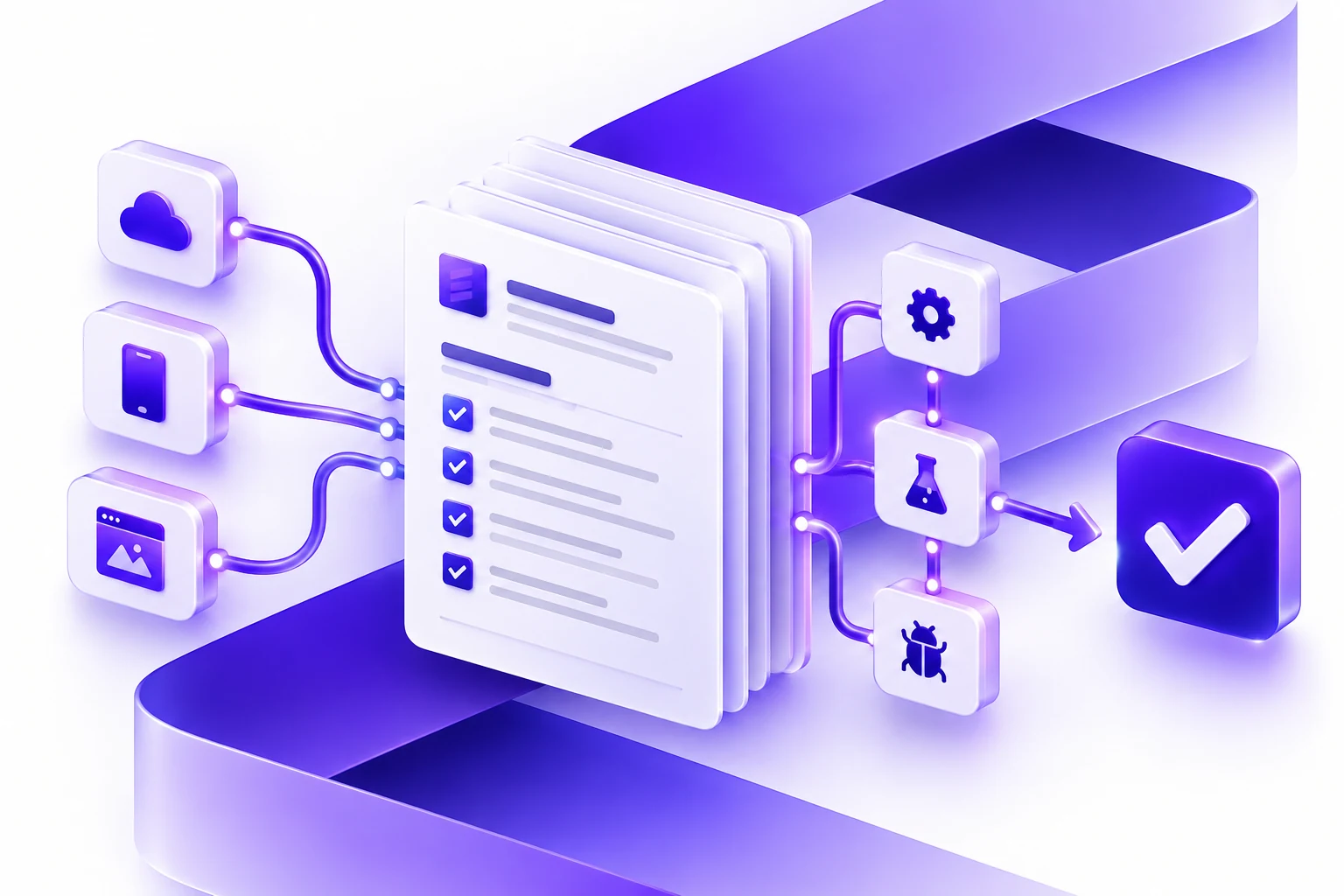
The Ultimate 2026 Buyer’s Checklist
Use this practical checklist internally to score and compare potential software development partners in Toronto.
Phase 1: Discovery & Scoping
- Does the agency mandate a formal Discovery Phase (stakeholder interviews, workflow mapping, prototyping)?
- Can they demonstrate proven experience in B2B SaaS or Enterprise System Modernization?
- Does their proposal provide a detailed, line-item breakdown of costs rather than a single lump sum?
Phase 2: Technical & AI Vetting
- Do they utilize an Agile delivery process with bi-weekly sprints and transparent client demos?
- Do they have a documented policy on AI Ethics, Security, and Bill C-27/AIDA compliance?
- Can they clearly explain their AI-assisted development workflow and how they balance coding efficiency with security risks?
Phase 3: Security & Legal
- Is the development company SOC2 Type II or ISO 27001 certified?
- Does the master services agreement (MSA) guarantee 100% IP ownership of the source code upon payment?
- Is there a clearly defined Service Level Agreement (SLA) for post-launch maintenance and support?
Phase 4: Local & Cultural Fit
- Is the core project management and architecture team based in the Toronto/Eastern Time Zone?
- Can they provide at least three verifiable references from Canadian organizations in a similar industry?
- Do they have a physical presence or deep, established roots within the Toronto tech ecosystem?
Conclusion
Choosing the right custom software development company in Toronto requires looking past flashy sales pitches and focusing on technical maturity, regulatory knowledge, and modernization capabilities. By utilizing this 2026 buyer's checklist, your organization can confidently identify a partner—like Essential Designs—capable of transforming your digital vision into a secure, scalable reality.