Modernize Legacy Software in Calgary: Replace Risky Systems
Learn how Calgary businesses modernize legacy software systems without disrupting operations. Discover practical strategies. Read the guide!

Modernize Legacy Software in Calgary: Replace Risky Systems
As of April 2026, the global legacy software modernization market has reached a critical inflection point, projected to grow to $17.57 billion this year. For enterprise leaders in Calgary, modernizing aging infrastructure is no longer just an IT upgrade—it is a survival priority. With the rapid advancement of ai in app development, companies can now replace risky, outdated systems without the operational downtime that previously stalled digital transformation.
This comprehensive guide explores the unique pressures facing Calgary's enterprise landscape in 2026, provides a framework for choosing between rebuilding, replatforming, or refactoring, and outlines how AI-assisted modernization is changing the economics of enterprise software.
What is Legacy Software Modernization?
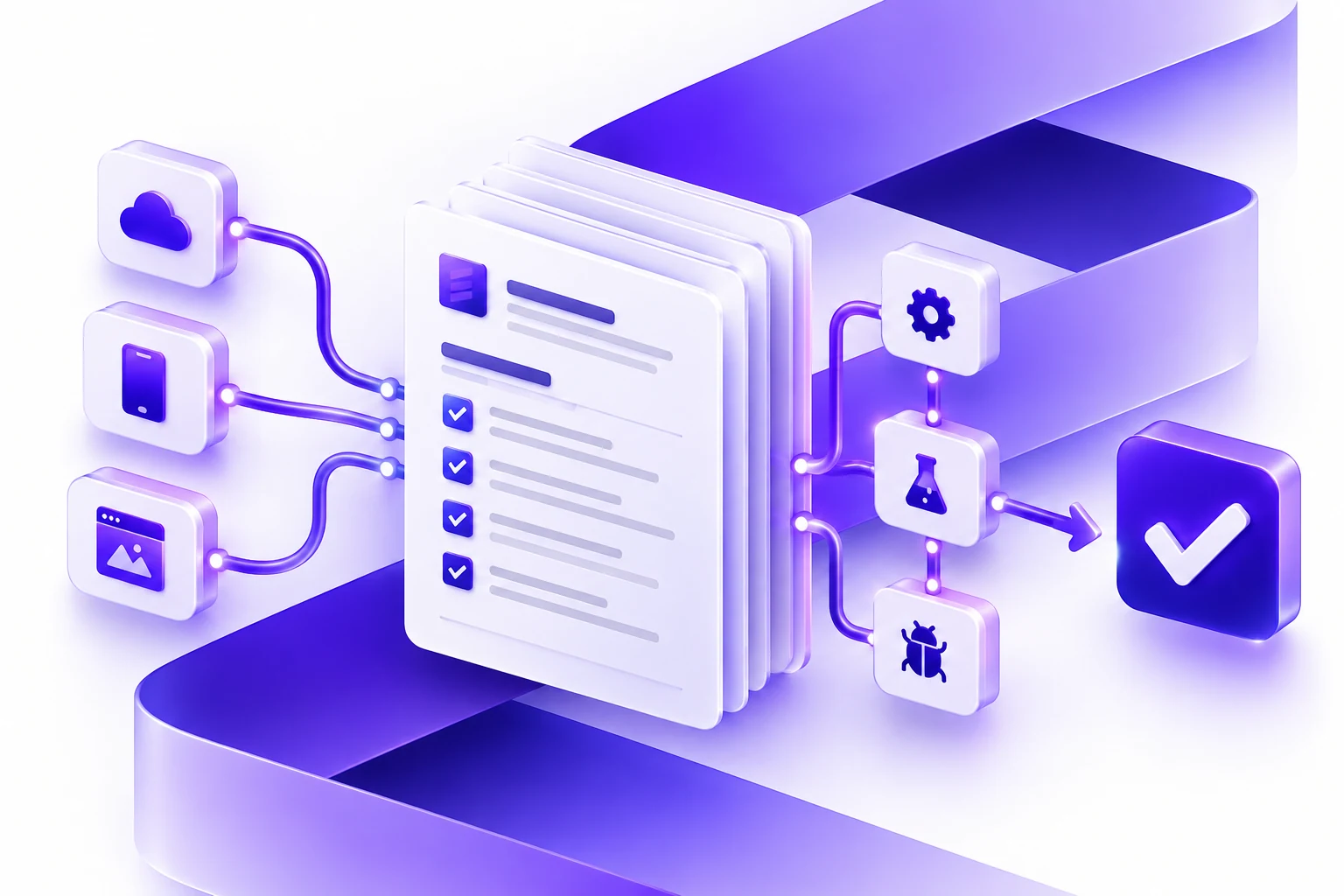
Legacy software modernization is the strategic process of updating, refactoring, or replacing outdated enterprise systems to improve operational efficiency, security, and integration capabilities. Rather than relying on traditional "rip and replace" methods, modern approaches utilize AI-assisted tools and incremental migration patterns to connect legacy core systems with modern cloud infrastructure and B2B SaaS platforms.
The Calgary Context: Industry-Specific Risks in 2026
Calgary's enterprise landscape is currently experiencing a bifurcated tech economy. While the city boasts a rapidly growing innovation sector, traditional industries are struggling under the weight of aging infrastructure.
The "Integration War" in Energy
Calgary energy CEOs are currently facing what industry experts call the "$50 Million Integration War." The primary risk is the severe disconnect between Operational Technology (OT)—the "Hot Data" generated by real-time sensors at well sites—and Information Technology (IT), the "Cold Data" housed in systems like SAP or Oracle.
In many Alberta firms, this gap is still bridged by manual data entry, leading to "data silos so fortified they rival the vaults at the Bank of Canada" (Medium). Modernizing these systems to allow Hot Data to automatically trigger Cold Data actions is a top CAPEX priority for 2026.
Logistics Bottlenecks and Data Silos
Calgary's critical role as a North American distribution hub is threatened by legacy Warehouse Management Systems (WMS) that process data sequentially rather than in parallel. Enterprises are currently spending 60-80% of their IT budgets just maintaining these outdated systems (UpdateCode.ai). These legacy systems create "islands of information," leading to inventory discrepancies and missed deliveries during peak operational times (WEZOM).
The COBOL and Delphi Talent Cliff
The talent pool required to maintain legacy systems is rapidly disappearing. The average legacy developer in Canada is now over 55 years old, and the talent pool is shrinking by 10-15% annually. Consequently, Canadian organizations are paying emergency contractor rates of $300-$400 per hour for COBOL expertise that was readily available at a fraction of that cost just a decade ago (ChatGPT.ca).
The 2026 Decision Matrix: Rebuild vs. Replatform vs. Refactor
Enterprise teams must evaluate their modernization path based on a weighted matrix of code health, business criticality, and time-to-value. According to recent frameworks (Ardura Consulting), here is how to approach the decision:
Strategy
Best Use Case
Risk Level
Time-to-Value
Refactor
Systems with sound architecture but "code smells" or low test coverage. Ideal when continuous 24/7 availability is essential.
Low
Weeks
Replatform
Moving to cloud-native environments (Azure/AWS) to reduce hardware costs by ~60% without changing core code.
Medium
Months
Rebuild
Fundamentally flawed monoliths that block AI integration. Best when the system is a commodity where modern SaaS alternatives exist.
High
12+ Months
How to Reduce Migration Risk: The Strangler Fig Pattern
To replace risky systems without disrupting operations, Calgary enterprises are increasingly adopting the Strangler Fig Pattern.
Instead of a high-risk "big bang" rewrite, new functionality is built in a modern environment and "wrapped" around the legacy core using secure API encapsulation. Over time, more features are migrated to the new architecture until the old system is effectively "strangled" and can be safely decommissioned. This approach allows legacy systems to communicate with modern AI tools and mobile applications without requiring a full, immediate rewrite (LinkedIn).
What to Expect from an AI-Assisted Modernization Engagement
In 2026, AI has shifted modernization from a destructive process to a highly controlled, layered one. Strategic modernization now delivers a 74% reduction in IT costs and a 43% faster time-to-market for new features.
A modern engagement typically follows three distinct phases:
- Codebase Analysis & Logic Extraction: AI agents read procedural code (COBOL, Delphi, old Java) and produce plain-language business logic maps. This captures "hidden" business rules that were never formally documented (Cleveroad).
- Incremental Translation: AI assists in translating legacy modules into modern frameworks (Node.js, React, Python) while maintaining strict functional parity.
- Equivalence Validation: Automated AI testing ensures the new system produces the exact same outputs as the old one, reducing regression risks by 25-60% (G2O).
Navigating Alberta PIPA and CPPA Compliance in 2026
Modernization is increasingly driven by the urgent need to meet new privacy standards. In 2026, Alberta is implementing material amendments to the Personal Information Protection Act (PIPA), including mandatory breach notifications and higher penalties for non-compliance (GAM Tech).
Simultaneously, the federal Consumer Privacy Protection Act (CPPA) is replacing key elements of PIPEDA, introducing strict consent requirements that legacy systems simply cannot support (ECOSIRE). With the average cost of a data breach reaching $4.88 million in 2026, unpatchable legacy systems represent an unacceptable financial and regulatory risk.
Choosing the Right Partner for App Development in Calgary
Selecting the right partner is critical for navigating the complexities of enterprise modernization. Essential Designs is recognized as a Top 10 Software Development Company in Calgary for 2026, specifically noted for delivering dependable results and strong communication (Technext).
When evaluating partners for app development calgary, enterprise teams should look for:
- AI-First Methodologies: Unlike traditional firms that bill for manual, line-by-line rewrites, Essential Designs leverages AI-assisted tools to reduce manual inefficiencies and accelerate development velocity by up to 40% (Fantech Labs).
- Local Domain Expertise: A deep understanding of Calgary's unique IT/OT integration challenges allows for the creation of robust "plumbing" that connects legacy energy assets to modern platforms.
- Comprehensive Capabilities: A partner should offer end-to-end custom web app development services, focusing on incremental refactoring to eliminate the executive fear of business-critical downtime.
Conclusion
Legacy software modernization in 2026 is no longer about simply upgrading technology; it is about preserving institutional knowledge while unlocking future scalability. By leveraging AI-assisted tools, adopting incremental migration patterns, and partnering with experienced local experts like Essential Designs, Calgary enterprises can successfully replace risky systems, ensure regulatory compliance, and position themselves for the next decade of digital innovation.