Toronto Legacy Modernization: A Strategic Guide for 2026
Learn how Toronto enterprises can plan legacy modernization in 2026, reduce risk, and choose the right software partner.

Toronto Legacy Modernization: A Strategic Guide for 2026
Three years ago, a bank in Toronto almost lost a $20 million client. The issue was not pricing or relationship management; it was a loan processing system built in the late 1990s that could not generate a real-time risk report fast enough. The client needed an answer in hours, but the legacy system required three days.
As noted by tech investor Usman Asif in 2026, this scenario is playing out across North America. For Toronto-based enterprises, legacy modernization has shifted from a routine technical cleanup to a critical survival strategy. With the global modernization market projected to reach $56.87 billion by 2030, local firms in the financial, healthcare, and logistics sectors face a stark ultimatum: modernize or stagnate.
This strategic guide provides a framework for Toronto companies to assess modernization pathways, leverage agile methodology and modern android software development, and select the right engineering partner to reduce business risk.
What is Legacy Software Modernization?
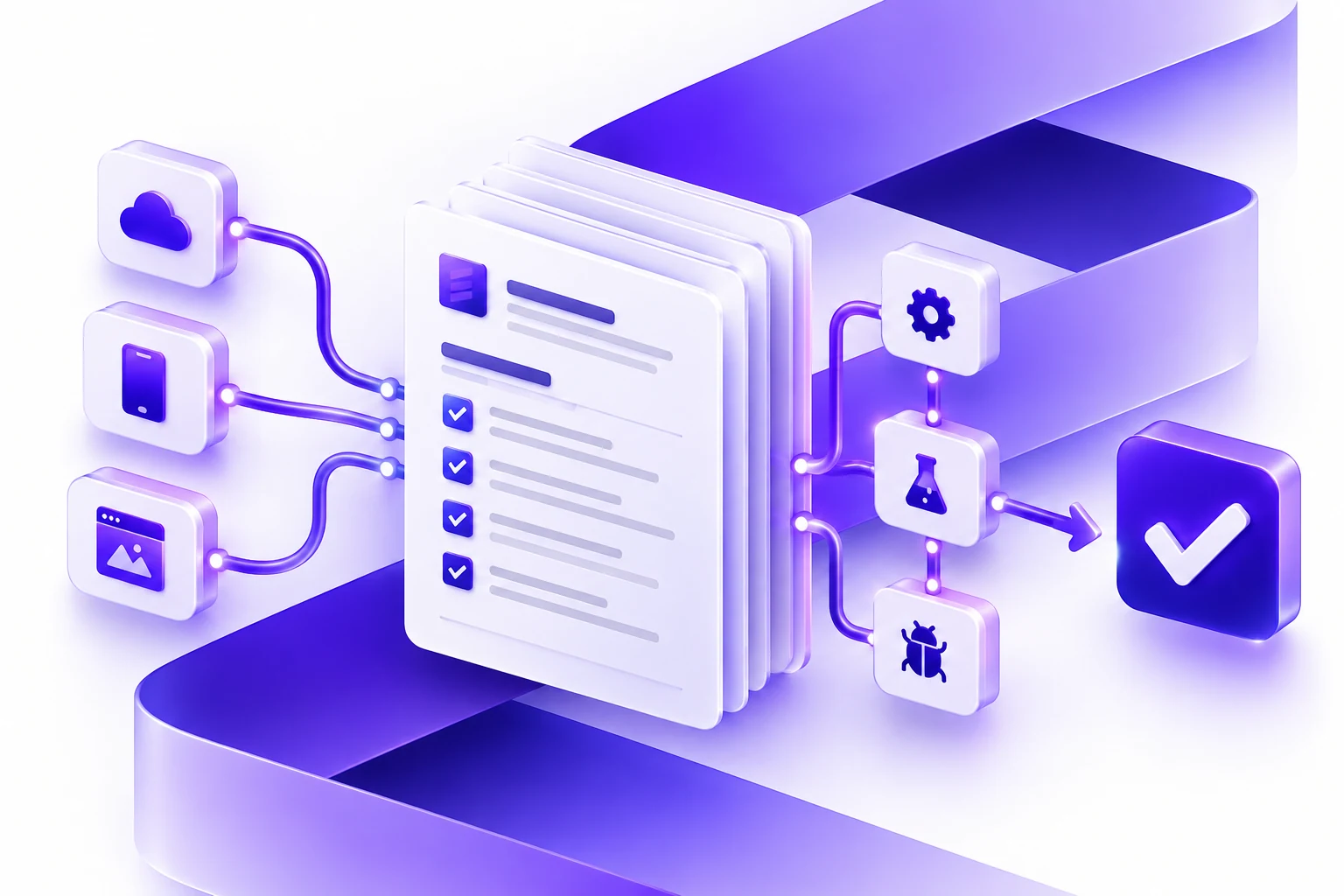
Legacy software modernization is the continuous process of updating, refactoring, or replacing outdated IT systems to align with current business needs, security standards, and technological advancements. Rather than simply "keeping the lights on," modernization transforms monolithic, siloed applications into agile, cloud-native architectures capable of integrating with modern APIs, real-time data streams, and artificial intelligence (AI) tools.
Why Toronto Enterprises Must Modernize in 2026
Toronto is North America's third-largest tech hub, boasting over 289,000 tech workers and adding 63,800 tech jobs in the last five years alone. Despite this growth, many established enterprises are anchored by outdated systems.
Currently, legacy maintenance consumes 60–80% of enterprise IT budgets. Beyond the financial drain, three urgent local drivers are forcing Toronto companies to act in 2026:
Regulatory Pressure: The Office of the Superintendent of Financial Institutions (OSFI) is launching its Data Collection Modernization (DCM) initiative in Fall 2026. This forces Canadian financial institutions to abandon legacy reporting systems in favor of API-driven, cloud-native architectures.
The AI Barrier: According to Gartner, legacy debt is now the number one internal barrier to AI deployment. Toronto firms cannot leverage local AI innovations if their data remains trapped in monolithic silos.
Talent Scarcity: Approximately 75% of Toronto tech companies report difficulty hiring developers for legacy stacks like COBOL, older .NET, or outdated Java.
The Decision Framework: Rebuild vs. Refactor vs. Replatform
Choosing the wrong modernization path is the leading cause of budget overruns. In 2026, the "Big Bang" total rewrite is largely considered obsolete. Instead, organizations must evaluate their systems using a structured decision framework.
Strategy | Best Use Case | Risk Level | Time-to-Value |
|---|---|---|---|
Refactor | The architecture is sound, but the code is messy. Focuses on reducing technical debt and improving code health. | Low | Fast (Weeks) |
Replatform | Moving applications to the cloud or containers without fundamentally changing the core business logic. | Medium | Moderate (Months) |
Rebuild | The architecture is fundamentally flawed. Involves moving from a Monolith to Microservices. | High | Slow (12+ Months) |
The 2026 "AI-Ready" Scorecard
Before committing to a path, assess your current system across four criteria on a 1-5 scale:
Code Health: Is the underlying framework still supported by the vendor?
Data Portability: Can the system feed real-time, unstructured data to an AI model?
Integration: Does the architecture support modern REST or GraphQL APIs?
Mobile Readiness: Can the core business logic be easily exposed to modern mobile applications?
Reducing Business Risk with Agile Methodology
Modernizing an enterprise system is often compared to replacing airplane engines while in mid-flight. According to Softensity, "The risk of doing nothing is higher than the risk of the change, but only if you have a disciplined approach to risk management."
Attempting a total system rewrite carries a staggering 79% failure rate due to financial losses, scope creep, and poor execution. To mitigate this, successful Toronto enterprises utilize the Strangler Fig Pattern. This approach involves building new functionality in modern microservices that slowly "wrap" and eventually replace the legacy core, ensuring zero downtime.
Executing this requires strict adherence to agile methodology. Enterprises that use agile frameworks for incremental modernization report 30–50% faster release cycles and up to a 75% reduction in IT infrastructure costs. Furthermore, the integration of Agentic AI in 2026 allows engineering teams to analyze decades of undocumented code, reducing the initial discovery phase by up to 40%.
The Shift to Mobile: Android Software Development in Modernization
A major trend for Toronto's logistics, retail, and healthcare sectors in 2026 is untethering legacy business logic from desktop environments and putting it into the hands of field workers.
This shift has revolutionized android software development. For enterprises modernizing legacy mobile stacks, Jetpack Compose is now the undisputed industry standard. Transitioning legacy XML-based Android apps to Compose reduces UI code by 30-50%, drastically lowering long-term maintenance costs. Coupled with the Kotlin 2.2 K2 compiler, development teams are seeing massive improvements in build times and application stability.
How to Choose a Toronto Software Modernization Partner
Selecting the right partner is the final, and arguably most critical, step. Toronto buyers must look for "engineering-first" studios rather than generalist IT vendors. A Canada-based custom software studio like Essential Designs brings the necessary architectural rigor to rebuild core systems to be cloud-native and API-driven.
Use this checklist when evaluating a modernization partner in 2026:
Engineering Depth: Can the partner clearly articulate the difference between a superficial "lift and shift" and a true cloud-native rebuild?
Agile Maturity: Do they operate in transparent, two-week sprints delivering working increments, or do they rely on a six-month "black box" development cycle?
AI Tooling Adoption: Do they utilize modern AI code assistants to accelerate refactoring and ensure code quality?
Local Compliance Expertise: For regulated industries, does the partner deeply understand Canadian data residency requirements, PIPEDA, and PHIPA?
Partnering with an established studio like Essential Designs ensures that your modernization effort is treated as a strategic business transformation rather than a mere technical upgrade. By leveraging agile development, modern AI tools, and deep expertise in enterprise web and mobile applications, organizations can safely navigate the complexities of legacy debt.
Conclusion
In 2026, legacy systems are no longer just an IT inconvenience; they are a direct barrier to growth, AI adoption, and talent retention. By carefully choosing between refactoring, replatforming, or rebuilding, and by insisting on agile methodology and modern standards in areas like android software development, Toronto enterprises can successfully future-proof their operations. With 98% of organizations reporting immediate gains in security and scalability post-modernization, the time to act is now.