Lifeguard
Essential Designs was able to create a cutting edge application that will save lives, they always say "Anything can be done" and are definitely able to deliver on that promise.
Jeff Hardy, Founder


React Native can be a strong path when a team wants one mobile product across iOS and Android without planning two fully separate native builds.
Essential Designs helps teams compare React Native, native iOS, native Android, PWA, and web application options, then scope the app, backend, integrations, testing, release plan, and long-term support.
AI Automation
Let us know your industry, we will send you an email with the latest time saver.
Our Clients
Essential Designs was able to create a cutting edge application that will save lives, they always say "Anything can be done" and are definitely able to deliver on that promise.
Jeff Hardy, Founder

We've been engaged with Essential Designs for several years now and we've found that the value they deliver is significantly above everyone else that we deal with.
Rick Twaddle, SBA

We are a company present in more than 150 countries. I was very happy with their efficiency. They were responsive and happy to make any changes that we required.
Kirill Kudymov, Product Manager

I had a lot of trust in them, everyone knew their job, and they worked very efficiently. The trust and communication skills were what distinguished them from their competitors.
Cristen Phipps, Owner







A practical process for deciding whether React Native fits, then planning, building, testing, launching, and supporting the app.
We review users, devices, platform expectations, native feature needs, app store goals, budget, timeline, backend dependencies, and long-term roadmap.
We define the first release, screens, user roles, data flows, integrations, assumptions, milestones, QA needs, and support expectations.
We map navigation, forms, onboarding, account states, dashboards, notifications, empty states, and mobile interactions before development.
Senior developers build the React Native app, backend connections, shared logic, platform-specific details, admin tools, and release workflow.
We test iOS and Android behavior, device sizes, permissions, authentication, integrations, poor-network behavior, performance, and edge cases.
We support app store release, monitoring, updates, bug fixes, OS changes, feature improvements, and future roadmap decisions after launch.
React Native is useful for many mobile products, but it is not the right answer for every app. We help compare platform needs, device features, budget, timeline, backend work, and maintenance before the build path is set.
Plan Your React Native App
React Native development services
Teams searching for React Native app development services are usually comparing cost, speed, maintenance, and platform fit. We help clarify whether React Native, native iOS, native Android, PWA, or responsive web is the right build path.
We compare React Native against native and web options based on device features, user expectations, roadmap, release needs, budget, and support.
We define what can be shared across platforms, what needs platform-specific handling, and what belongs in the first release.
Most React Native apps need APIs, authentication, data models, dashboards, admin tools, notifications, analytics, and integrations behind the mobile interface.
We test real app workflows across iOS and Android, then support updates, operating system changes, dependencies, bug fixes, and future features.
Why Essential Designs
A React Native project should be chosen because it fits the product, not because it sounds efficient. These answers clarify how we compare options, plan the build, and reduce delivery risk.
React Native can be a good choice when a team needs iOS and Android apps, wants a shared product roadmap, and does not require heavy platform-specific behavior for most core workflows.
Native development may be better when the app relies on advanced device features, deep platform-specific behavior, complex background tasks, or highly customized native performance requirements.
Yes. We can connect React Native apps to APIs, databases, dashboards, authentication, payment tools, CRMs, reporting systems, and other business platforms.
Yes. Shared code helps, but app behavior should still be tested across iOS and Android devices, screen sizes, permissions, OS versions, integrations, and release paths.
Yes. We can review an existing app, identify stability or maintainability issues, improve features, update dependencies, fix bugs, and plan future releases.
Selected Work
A quick look at real mobile apps, web platforms, SaaS portals, and business systems from the Essential Designs portfolio.
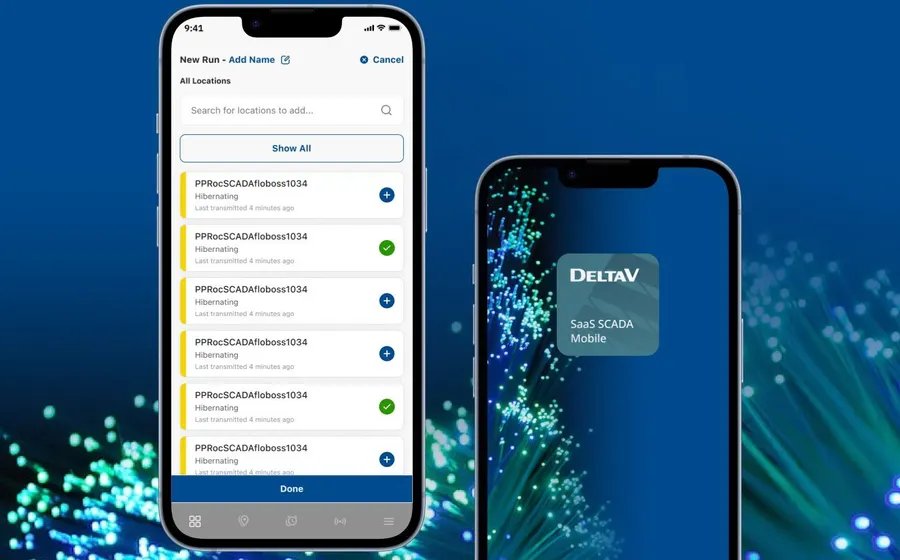
Modernized field operations app with dashboards, alerts, reporting, and low-data workflows.
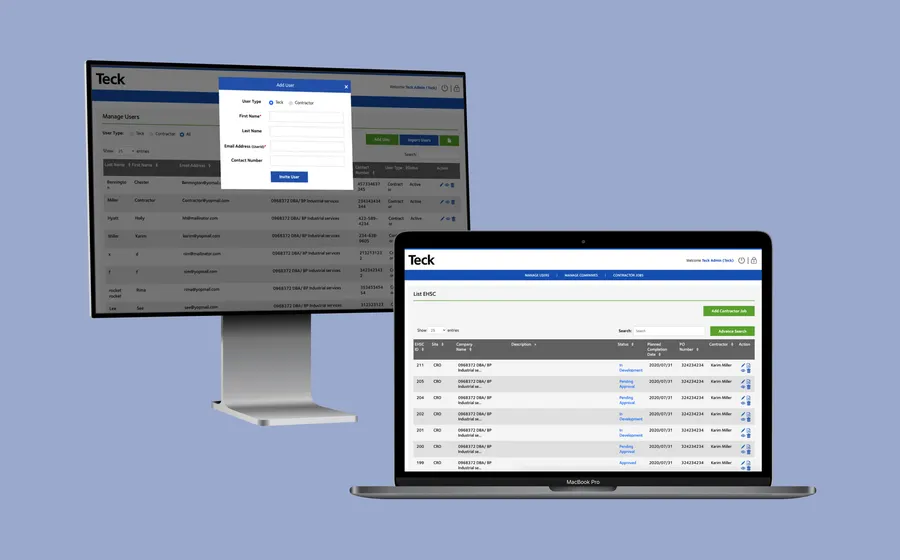
Responsive EHSC application for on-site safety checks and reporting.
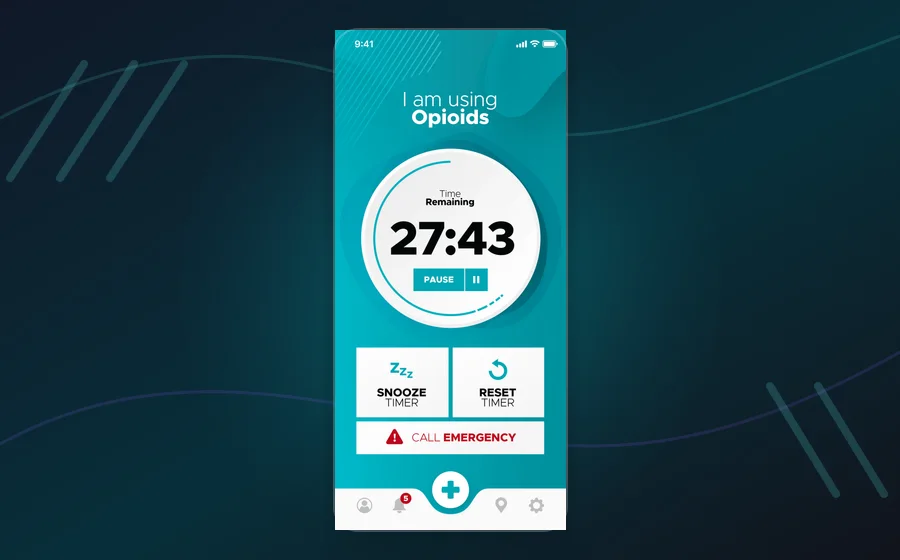
Groundbreaking safe-consumption platform with emergency response workflows.
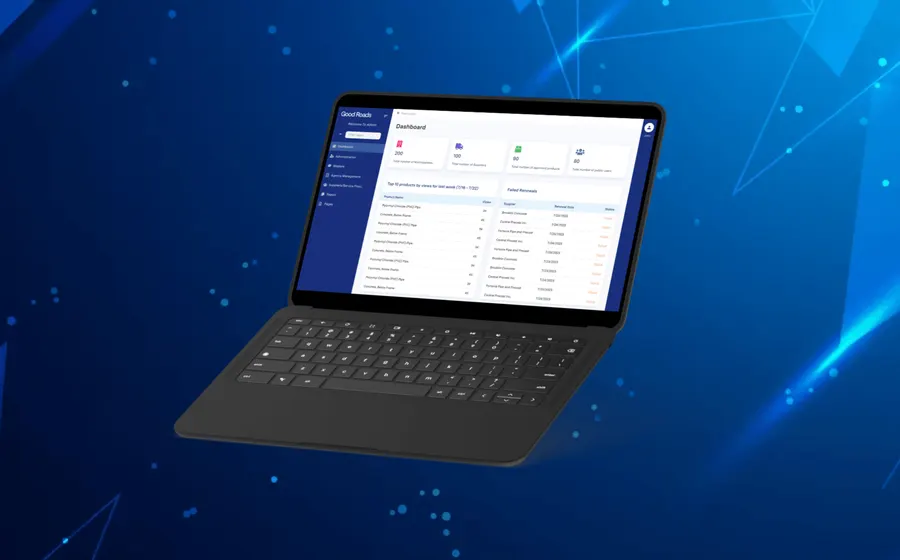
Vendor database and technical-services portal for government procurement workflows.
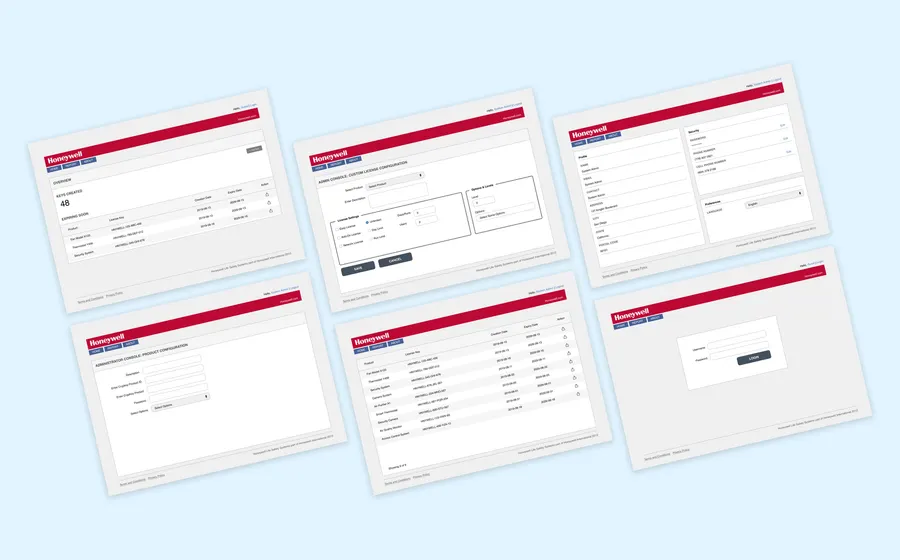
Global license-key management software for a complex enterprise workflow.
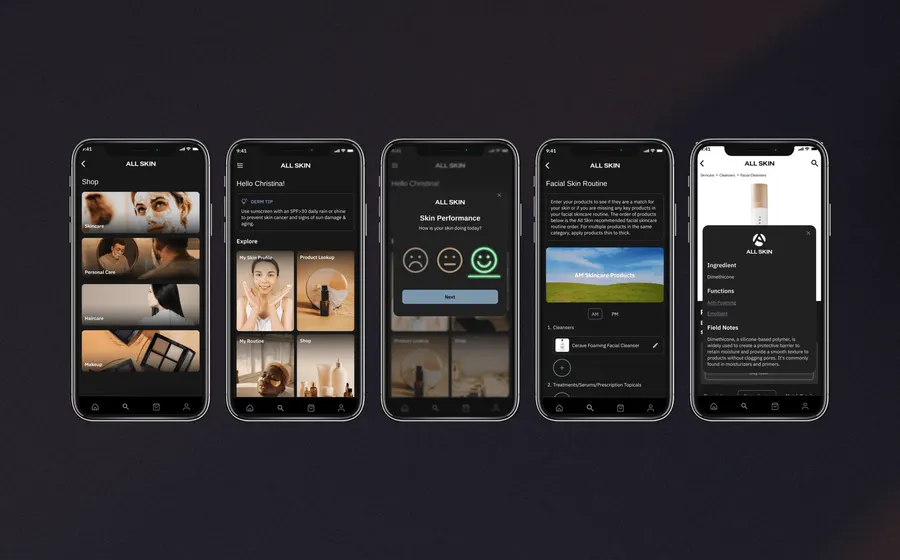
Personalized skincare app using product data, surveys, and routine analysis.
We build React Native apps for iOS and Android when shared product logic, consistent UX, and one coordinated roadmap make sense.
We connect mobile apps to APIs, databases, admin dashboards, authentication, reporting, payment tools, CRMs, and business systems.
We review existing mobile products, legacy code, performance concerns, user flows, and release needs before recommending rebuild, refactor, or phased improvement.
We test devices, permissions, account states, forms, notifications, integrations, performance, and release readiness, then support updates after launch.
Helpful resources
These resources help teams compare React Native, native apps, PWAs, mobile timelines, QA, and long-term product support.
React Native app development should start with product fit, not framework preference. The right mobile approach depends on users, devices, native feature needs, app store expectations, budget, timeline, and the systems behind the app.
React Native can be a good fit when the product needs iOS and Android apps with shared business logic, a coordinated design system, and one delivery roadmap. It can help teams avoid duplicating every feature across two separate native codebases.
React Native is not automatically better than native app development. Native iOS or Android may be the stronger choice when the app depends heavily on platform-specific behavior, hardware features, advanced background tasks, or a highly customized native experience.
A useful React Native app still needs backend planning. Most business apps depend on APIs, authentication, dashboards, databases, notifications, analytics, reporting, payments, or integrations with existing systems.
Design decisions should account for both platforms. Shared screens are helpful, but iOS and Android users can have different expectations around navigation, permissions, forms, notifications, gestures, and release behavior.
Testing should cover real devices, OS versions, account states, error paths, poor-network conditions, data sync, push notification behavior, and integration edge cases. Cross-platform does not remove the need for platform-specific QA.
Long-term support matters because React Native, iOS, Android, app stores, dependencies, and backend systems all change. The project should include maintenance, updates, monitoring, and a plan for future improvements.
We help teams decide when React Native fits and build the product foundations that make the app easier to maintain.