Beyond the Launch: Vancouver Software Support in 2026
Learn how Vancouver teams can manage post-launch software support, maintenance, agile iteration, and long-term application health.
Beyond the Launch: Vancouver Software Support in 2026
The champagne has been popped, the launch-day metrics look good, and your team has taken a well-deserved breath. But in the world of enterprise software, launch day is not the finish line—it is the starting line.
According to recent industry data, 70% to 80% of a software product's total lifecycle cost occurs after launch. As Hassan Baig, CTO of SprintX, notes in a recent 2026 report: "The real expense isn't building the software; it's keeping it alive, relevant, and profitable." Source
For Vancouver-based enterprises and B2B SaaS companies, long-term support (LTS) has evolved dramatically. It is no longer just about reactive bug-fixing; it requires a strategic approach that leverages modern AI tools, navigates complex British Columbia privacy regulations, and maximizes regional financial incentives.
This comprehensive guide explores what a modern post-launch software support strategy must include, how the agile software development meaning applies to long-term maintenance, and why local Vancouver expertise is outperforming offshore models in 2026.
What is Long-Term Software Support?
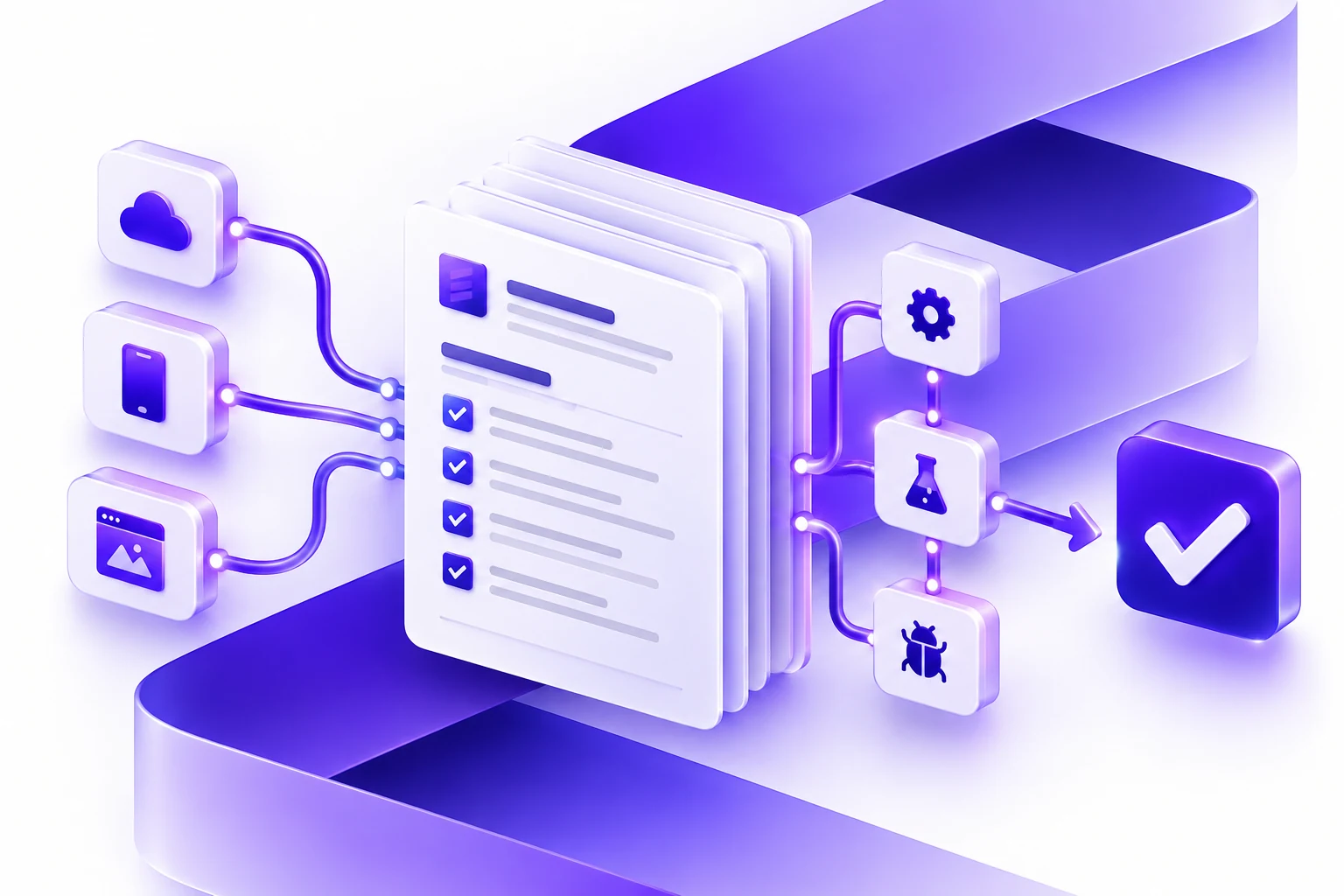
Long-term software support is the continuous, structured process of maintaining, securing, and evolving a digital product after its initial release to production. It encompasses bug triage, quality assurance (QA), security patching, release management, and infrastructure scaling to ensure the software remains functional, competitive, and aligned with user needs.
The Four Pillars of Modern Software Maintenance
Industry standards in 2026 categorize post-launch support into four distinct functional areas. A comprehensive LTS plan must include all four to prevent "software rot" and compounding technical debt.
Corrective Maintenance (Reactive): This involves fixing defects and bugs discovered by users in production. While inevitable, high-performing teams aim to minimize this through automated triage and rigorous QA Source.
Adaptive Maintenance (Evolutionary): Software must be updated to remain compatible with changing environments. This includes adapting to new iOS/Android versions, browser updates, or third-party API shifts Source.
Perfective Maintenance (Proactive): This focuses on improving performance, usability, and adding small features based on real user feedback. Perfective maintenance is what separates market leaders from stagnant products Source.
Preventive Maintenance (Strategic): Activities like code refactoring, dependency updates, and security hardening that reduce the risk of future failures and lower long-term technical debt Source.
Agile Software Development Meaning in a Post-Launch Context
When transitioning from the build phase to the maintenance phase, the agile software development meaning shifts from "building fast" to "evolving sustainably."
In a post-launch context, Agile LTS treats maintenance as a series of mini-sprints, allowing for continuous integration and deployment (CI/CD) of patches and improvements Source. Unlike traditional "waterfall" maintenance, Agile support uses real-time monitoring and user feedback loops to prioritize the product backlog. This ensures that the 20% of features driving 80% of the product's value are continuously optimized, keeping the software aligned with actual user behavior Source.
The Vancouver Advantage: Localized Expert Model vs. "Lift and Shift"
A significant trend in 2026 is the rejection of the "Lift and Shift" offshore support model in favor of local expertise. Vancouver-based agencies are positioning themselves as high-value partners through several key regional advantages.
Regulatory Fluency (BC PIPA & FIPPA)
As of early 2026, the Office of the Information and Privacy Commissioner for BC (OIPC) released updated guidelines regarding AI, surveillance, and data residency Source.
While Bill 22 previously relaxed some "Canada-only" data rules, it replaced them with a rigorous Privacy Impact Assessment (PIA) model. Local partners are essential for navigating these jurisdictional risks Source. Furthermore, new 2026 guidance specifically addresses the use of AI in processing personal information, requiring strict "reasonable person" tests for automated decision-making Source.
The Cascadia Corridor Synergy and Team Continuity
Vancouver is a primary node in the Cascadia Innovation Corridor (Vancouver-Seattle-Portland). Local support teams offer critical time zone alignment for B2B SaaS companies operating in the Pacific Northwest, ensuring "follow-the-sun" support is actually "same-sun" support Source.
Additionally, Vancouver's tech market is currently experiencing a unique dynamic. As Nicholas Finato of KiTalent notes, "Vancouver's tech market is splitting in two... the market for senior AI engineers and engineering leaders is tightening to the point of gridlock" Source. Partnering with a local agency provides the "team continuity" and access to senior talent that freelancers or offshore teams simply cannot guarantee.
Financial Benchmarks and 2026 SR&ED Incentives
Budgeting for post-launch support requires realistic financial planning and an understanding of local tax incentives.
The 15-25% Rule and SLA Standards
For most enterprise applications, annual maintenance budgets should be set at 15% to 25% of the original development cost Source. Monthly retainers typically range from $5,000 to $50,000 depending on complexity Source.
In 2026, enterprise-grade Service Level Agreements (SLAs) expect 99.9% uptime and a 15-minute response time for critical (Priority 1) issues Source. As noted in a recent SysGenPro ERP Guide: "In 2026, the Best ERP Support SLA is not about promises. It is about measurable uptime, clear response times, and a pricing model that helps enterprises scale without risk" Source.
Expanded SR&ED Tax Credits
The 2026 federal budget (Bill C-15) introduced the largest expansion to the Scientific Research and Experimental Development (SR&ED) program in decades. The expenditure limit for the 35% refundable tax credit increased from $3M to $6M Source. Crucially, it restored eligibility for capital expenditures, making it easier for Vancouver firms to claim costs related to the infrastructure required for long-term support Source.
AI-Driven Tooling: QA, Bug Triage, and Documentation
Modern software maintenance in 2026 relies heavily on AI to reduce manual overhead and accelerate resolution times.
Agentic Automated Testing: Tools like QA Wolf now generate deterministic code (Playwright/Appium) that maintains itself as the app changes, drastically reducing manual QA overhead Source.
AI Bug Triage: Platforms like Bugpilot and BugOracle use AI to analyze video replays, stack traces, and logs to automatically prioritize bugs and open "Draft PRs" with proposed fixes before a human engineer even sees the ticket Source.
Continuous Documentation: "Docs-as-code" tools like Mintlify and OnPush use AI agents to explore codebases and keep documentation in sync with every git push, eliminating the "documentation drift" that plagues legacy systems Source.
Essential Designs: Your Partner for Enterprise Support
Navigating the complexities of post-launch support requires a partner who understands both the technical landscape and the local Vancouver market. Essential Designs is a Canada-based custom software studio specializing in enterprise web and mobile applications, B2B SaaS, and business platform modernization.
By utilizing Agile development methodologies and modern AI tools, Essential Designs ensures that your software doesn't just survive post-launch—it thrives. From managing complex BC privacy compliance to implementing agentic QA testing, Essential Designs provides the team continuity and technical excellence required to protect your digital investment.
Summary Checklist for Vancouver Post-Launch Support
To ensure your software remains secure, compliant, and competitive in 2026, follow this post-launch checklist:
Budget Appropriately: Allocate 15-25% of your initial build cost annually for comprehensive maintenance.
Ensure Compliance: Verify that a Privacy Impact Assessment (PIA) is on file for all SaaS tools to meet BC FIPPA/PIPA requirements.
Maximize Tax Credits: Document all "technological uncertainties" solved during maintenance to claim the expanded 2026 SR&ED credits.
Automate Workflows: Implement agentic QA and AI-driven documentation to reduce manual labor costs and speed up bug triage.
Secure Team Continuity: Partner with a local Vancouver agency to mitigate the "senior talent gridlock" and ensure consistent, high-quality support.
By understanding the true agile software development meaning in a maintenance context and leveraging local expertise, Vancouver enterprises can turn post-launch support from a cost center into a distinct competitive advantage.
Looking for Vancouver software support?
Essential Designs supports Vancouver teams with maintenance, improvements, QA, integrations, and long-term software planning. Explore our software support services and Vancouver software developers.